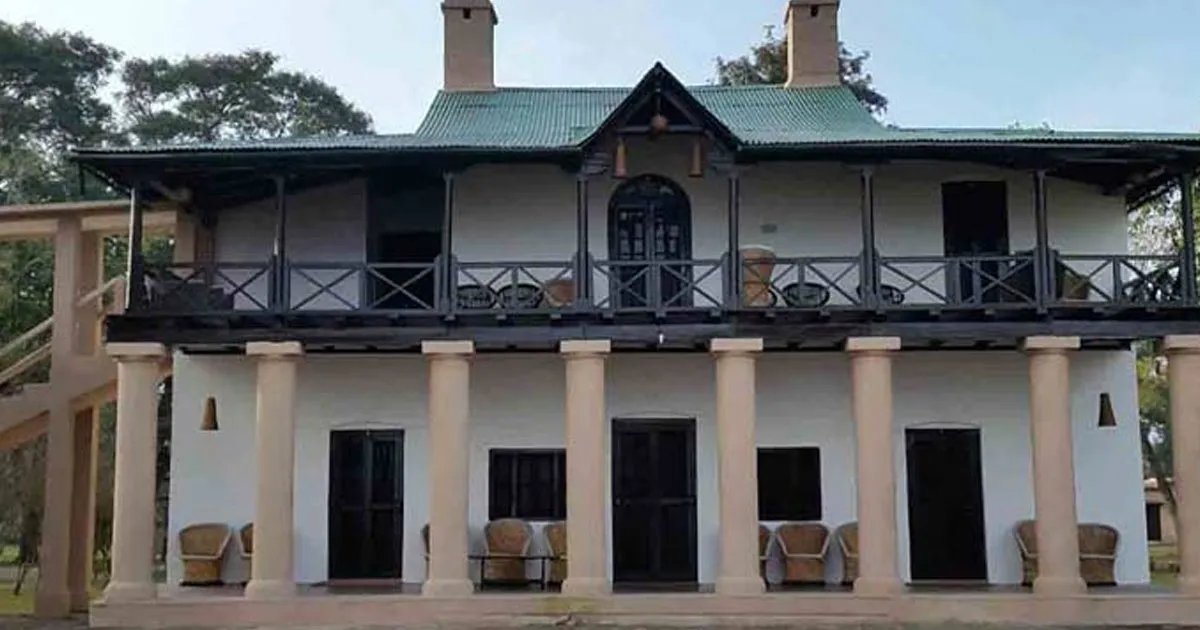
Experience Authentic Wilderness Living at Dhikala Forest Rest House with Himalyan Heritage Tours
Dhikala Forest Rest House represents the crown jewel of accommodation experiences within Jim Corbett National Park, offering visitors an unparalleled opportunity to immerse themselves in the heart of one of India's most celebrated tiger reserves. As the oldest and most historically significant forest lodge in the region, Dhikala provides guests with a rare chance to stay overnight deep within the protected core area of the park, surrounded by pristine wilderness and abundant wildlife. The rest house sits majestically on the edge of the sprawling Dhikala grassland, providing breathtaking panoramic views of the valley and the Ramganga River reservoir, creating a setting that is both dramatic and serene.
The historical significance of Dhikala Forest Rest House cannot be overstated. Originally built during the British colonial era, this heritage property has hosted numerous dignitaries, wildlife enthusiasts, and conservationists over the decades. The architecture reflects traditional Kumaoni style blended with colonial influences, featuring high ceilings, spacious verandas, and large windows designed to maximize wildlife viewing opportunities. The rest house has been carefully maintained and periodically renovated to ensure visitor comfort while preserving its historical character and ecological sensitivity. Staying at Dhikala is not merely about accommodation; it is about participating in a legacy of wildlife conservation and experiencing the raw, untamed beauty of the Indian wilderness in its most authentic form.
The geographical positioning of Dhikala Forest Rest House makes it uniquely special among all accommodation options in Jim Corbett National Park. Located approximately 32 kilometers from the Dhangarhi gate, the journey to the rest house itself is an adventure, taking visitors through diverse forest habitats, crossing seasonal streams, and offering occasional wildlife sightings along the way. The rest house complex includes multiple accommodation options ranging from the historic main building to newer forest lodges and dormitories, catering to different preferences and group sizes. What sets Dhikala apart is its strategic location within the richest wildlife zone of the park, increasing the probability of encountering tigers, wild elephants, deer species, and numerous other mammals and birds right from the comfort of your veranda or during early morning and evening vigils.
Accommodation Options and Facilities at Dhikala
The iconic colonial-era main building features six well-appointed rooms that have preserved their old-world charm while incorporating modern amenities. Each room offers comfortable bedding, attached bathrooms with running water, and private sit-out areas facing the grasslands. The architecture includes high ceilings that keep the rooms cool during summer and large French windows that provide uninterrupted views of the surrounding wilderness. The main veranda serves as a common gathering space where guests often spend evenings sharing wildlife sightings and experiences while enjoying the spectacular sunset over the Dhikala grasslands.
Complementing the historic main building are the newer forest lodges that offer additional accommodation options while maintaining ecological sensitivity in their design and construction. These lodges feature double-bedded rooms with modern amenities including comfortable bedding, attached bathrooms with geysers for hot water, and private balconies oriented toward prime wildlife viewing directions. The lodges are constructed using local materials and designed to blend seamlessly with the natural surroundings, ensuring minimal environmental impact while providing comfortable lodging in the heart of the tiger habitat.
For larger groups, student expeditions, and budget-conscious travelers, Dhikala offers dormitory-style accommodation with basic yet comfortable facilities. The dormitories can accommodate multiple guests and provide clean bedding, shared bathroom facilities, and common areas for interaction. This option is particularly popular among wildlife researchers, photography groups, and educational institutions conducting field studies in the park. The dormitory booking includes access to all common facilities and the same incredible wildlife viewing opportunities as the more premium accommodation options.
Exclusive Wildlife Experiences and Safari Activities
Dhikala offers unique elephant safari experiences that provide access to areas inaccessible by jeeps, allowing for intimate wildlife encounters and exceptional photography opportunities. These early morning and late afternoon safaris are conducted on trained park elephants accompanied by experienced mahouts and naturalists who share invaluable insights about animal behavior, tracking techniques, and forest ecology. The elevated vantage point from elephant back offers unparalleled visibility over tall grasses and enables closer approaches to wildlife without causing disturbance, making it particularly rewarding for observing tiger behavior, elephant herds, and other sensitive species in their natural habitat.
Guests staying at Dhikala Forest Rest House have privileged access to jeep safaris within the core Dhikala zone, including areas that are restricted to day visitors. These specialized safaris are conducted during the most productive wildlife viewing hours – early morning and late afternoon – when animal activity is at its peak. The safari routes cover diverse habitats including riverine forests, grasslands, moist deciduous forests, and water bodies, maximizing opportunities for encountering the park's most celebrated residents including tigers, leopards, elephants, sloth bears, and numerous deer and antelope species. Expert naturalists accompany these safaris, providing interpretation of animal signs, bird calls, and ecological relationships.
One of the most exclusive advantages of staying at Dhikala Forest Rest House is the opportunity for night-long wildlife observation from the safety of the complex. The rest house perimeter is strategically illuminated to allow guests to observe nocturnal wildlife activity, including hunting predators, foraging herbivores, and various smaller mammals that become active after dark. The experience of listening to the sounds of the jungle at night – alarm calls, tiger roars, elephant trumpets, and the myriad insects – creates unforgettable memories and provides insights into aspects of forest life that day visitors completely miss.
Flora and Fauna of Dhikala Zone
The Dhikala zone boasts the highest density of Bengal tigers in Jim Corbett National Park, with several established territories and frequent sightings reported throughout the year. The area supports a healthy prey base including spotted deer, sambar, barking deer, hog deer, and wild pigs that attract these majestic predators. Beyond tigers, Dhikala is renowned for its substantial population of Asian elephants, with herds sometimes numbering 30-40 individuals frequently seen near water sources and grasslands. Other significant mammals include leopards, sloth bears, yellow-throated martens, Indian grey mongooses, Himalayan black bears, and several species of primates including rhesus macaques and Hanuman langurs.
Dhikala represents one of North India's premier bird watching destinations, with over 300 species recorded in the area. The diverse habitats including rivers, grasslands, dense forests, and wetlands support an incredible variety of resident and migratory birds. The Ramganga reservoir attracts numerous waterbirds including great cormorants, Indian darters, various egrets and herons, river terns, and the majestic Pallas's fish eagle. The forest areas are home to several woodpecker species, barbets, orioles, thrushes, and the spectacular great hornbill. Raptors including crested serpent eagles, changeable hawk-eagles, and various vulture species are commonly seen soaring over the grasslands.
The Dhikala area showcases remarkable landscape diversity ranging from the extensive chaurs (grasslands) that form its signature feature to mixed deciduous forests, riverine vegetation along the Ramganga, and plantation areas. The grasslands are maintained by seasonal flooding and management practices, providing crucial grazing grounds for herbivores and hunting grounds for predators. The forest areas are dominated by sal trees interspersed with haldu, pipal, rohini, and mango trees. The Phulai and Belah trees produce seasonal fruits that attract numerous birds and mammals. The variation in vegetation types across small distances creates microhabitats that support different wildlife communities, making ecological exploration particularly rewarding.
Booking Procedures and Seasonal Considerations
- Advanced Reservation Requirements: Due to extreme popularity and limited accommodation, bookings for Dhikala Forest Rest House must be made well in advance, preferably 90-120 days before planned travel dates. The reservation process involves submitting identification documents and obtaining necessary permits from forest authorities.
- Seasonal Operation Schedule: Dhikala Forest Rest House operates from November 15 to June 15 each year, remaining closed during the monsoon season when the park is inaccessible due to road conditions and to allow wildlife breeding and habitat recovery.
- Permit and Entry Formalities: All guests must carry original government-approved photo identification at all times. Entry permits are verified at multiple checkpoints during the journey to Dhikala, and all visitors must adhere to specified entry and exit timings through the Dhangarhi gate.
- Vehicle Regulations and Restrictions: Only registered vehicles with authorized drivers are permitted to travel to Dhikala. Private vehicles require special permits, and all movement within the zone is restricted to designated roads and specified timings to minimize disturbance to wildlife.
- Weather Considerations and Packing Essentials: Temperatures at Dhikala vary significantly between seasons, from cold winters with possible fog to hot summer days. Visitors should pack appropriate clothing, binoculars, cameras, personal medications, and minimal luggage due to space constraints in vehicles.
Conservation Significance and Responsible Tourism Practices
Ecological Importance
Dhikala zone represents one of the most important tiger conservation units in India, supporting a viable breeding population of Bengal tigers. The area's protection and management directly contribute to the long-term survival of this endangered species. The rest house operation follows strict ecological guidelines to minimize human impact on these sensitive habitats while generating revenue that supports conservation initiatives and local community development programs.
The Dhikala area forms part of crucial elephant migration corridors connecting different forest blocks across the Terai landscape. The conservation of these habitats ensures the free movement of elephant herds between seasonal feeding grounds, maintaining genetic diversity and reducing human-elephant conflicts in surrounding areas. Visitor education programs at the rest house highlight the importance of these corridors and the challenges in their preservation.
The forests around Dhikala play a vital role in protecting the watershed of the Ramganga River, which is a major tributary of the Ganga system. The vegetation helps maintain water quality, regulates seasonal water flow, and prevents soil erosion in this ecologically sensitive region. The conservation of this area has implications for water security for both wildlife and human populations downstream.
Sustainable Tourism Initiatives
Dhikala Forest Rest House implements comprehensive waste management practices including segregation, composting of organic waste, and packing out non-biodegradable materials. Visitors are educated about these systems and expected to participate actively in minimizing their environmental footprint during their stay. The facility aims to achieve zero waste discharge into the forest ecosystem.
The rest house operates on limited energy resources with scheduled electricity availability primarily through generator systems. Solar energy initiatives are being expanded to reduce dependence on fossil fuels. Water conservation is strictly practiced with limited supply hours and requests for minimal usage. These measures help maintain the ecological integrity of the area while providing essential services to visitors.
A portion of the revenue generated from Dhikala Forest Rest House operations is directed toward community development programs in villages surrounding the park. These initiatives include education support, healthcare facilities, and sustainable livelihood opportunities that reduce dependence on forest resources. Local community members are employed in various capacities at the facility, creating economic incentives for conservation.
For Dhikala Forest Rest House bookings, safari arrangements, and detailed information about seasonal availability, contact our wildlife travel specialists at 8392828834 or email jimcorbettjunglesafaribook@gmail.com. Our team provides comprehensive assistance with permit processing, travel logistics, and customized itineraries for an unforgettable wilderness experience in the heart of Jim Corbett National Park.

Logo
© Copyright 2026 Himalyan Heritage Tours. All Rights Reserved.